We often imagine upland mountain ranges as wild, ancient places: bare ridges, heathered slopes and sweeping horizons. Yet this apparent wildness is largely an artefact of loss. These landscapes are not untouched wildernesses but places shaped by centuries of grazing, burning and extraction. Nature restoration in the uplands therefore begins not with adding something new, but with allowing long-suppressed ecological processes to return.
Rewilding is not about spectacle or the sudden reintroduction of individual species alone, but about the recovery of ecological function. In an upland range, this means restoring soils, hydrology and natural relationships between species. Peatlands, drained and oxidised, must be re-wetted so they can once again store carbon and slow floodwaters. Rivers, straightened and constrained, need space to braid and wander. Predation, whether through the return of lost species or functional substitutes, must again influence grazing pressure. Without these processes, the mountains remain biologically impoverished, however dramatic they may appear.
Restoration also has a cultural dimension. The loss of ecological richness has been accompanied by a loss of language, memory and intimacy with place. Repairing an upland landscape is therefore an act of cultural renewal. As native woodland returns to sheltered valleys and climbs into corries and slopes, it restores not just habitat but relationship. Place-names once rooted in trees, birds and water regain their meaning, and paths become lines of passage through a living system rather than scars across a managed emptiness.

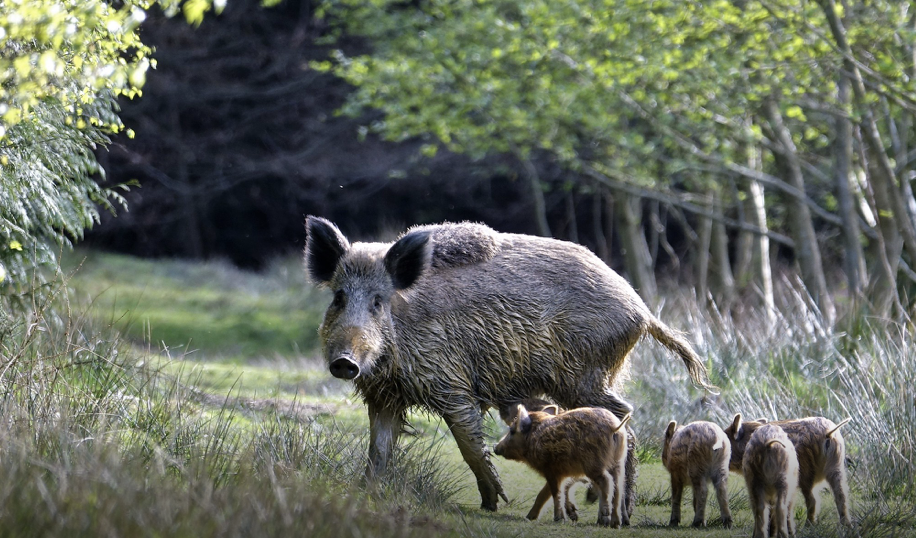

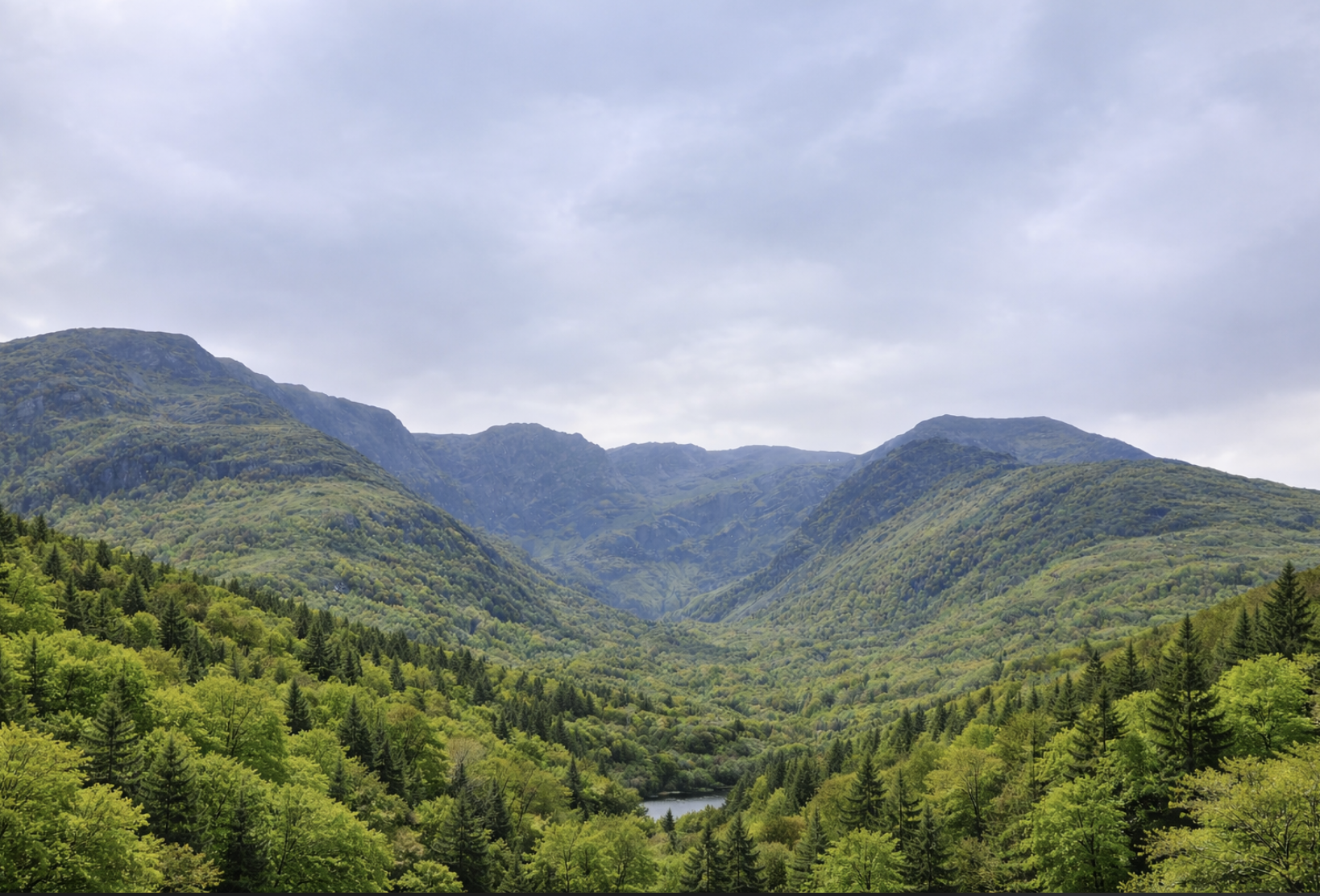

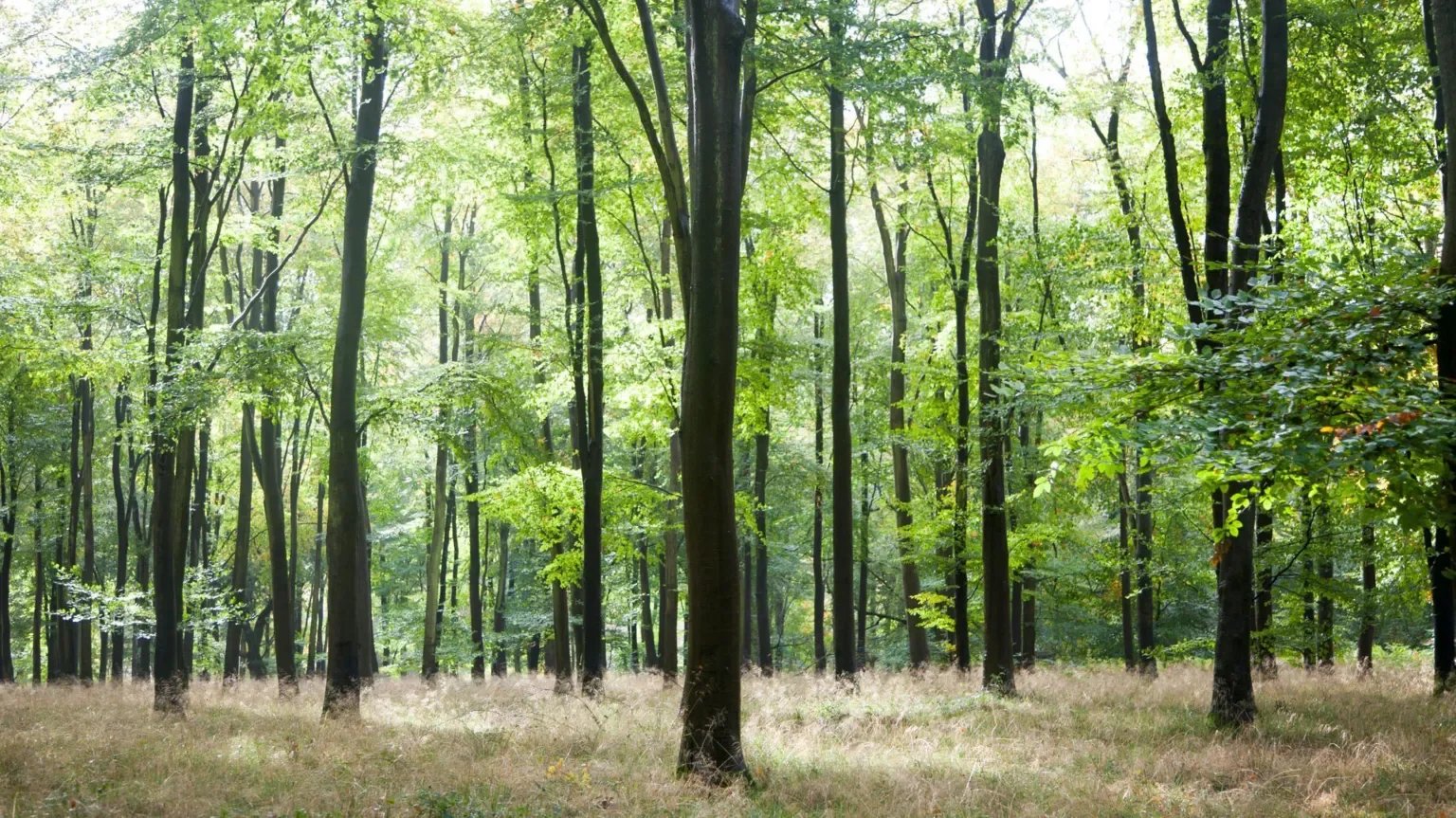
We face this work with urgency. Biodiversity decline is not an abstract or distant threat but an immediate and measurable reality. Uplands are often described as economically marginal, yet healthy mountain ecosystems deliver immense public value: clean water, carbon storage, flood mitigation and resilience to climate change. Restoring an upland range is not a luxury or aesthetic preference, but a necessary investment in the systems that sustain life far beyond the mountains themselves.
Finally, restoration is inseparable from questions of power and responsibility. Patterns of land ownership and policy have locked many uplands into ecological stagnation. Meaningful restoration requires access, accountability and a shift in how land is governed. Communities must have a role in shaping upland futures, and public funding must support public goods. When grazing pressure is reduced and woodland allowed to regenerate, it should be part of a shared endeavour rather than a private experiment.
Taken together, this vision of upland restoration is ecological, cultural and political. A restored mountain range would be wilder, but also more legible and more alive: richer in species, deeper in story and fairer in how it is cared for. It would remind us that mountains are not just backdrops, but active participants in the future of the land.